Parking Transactions Dataset
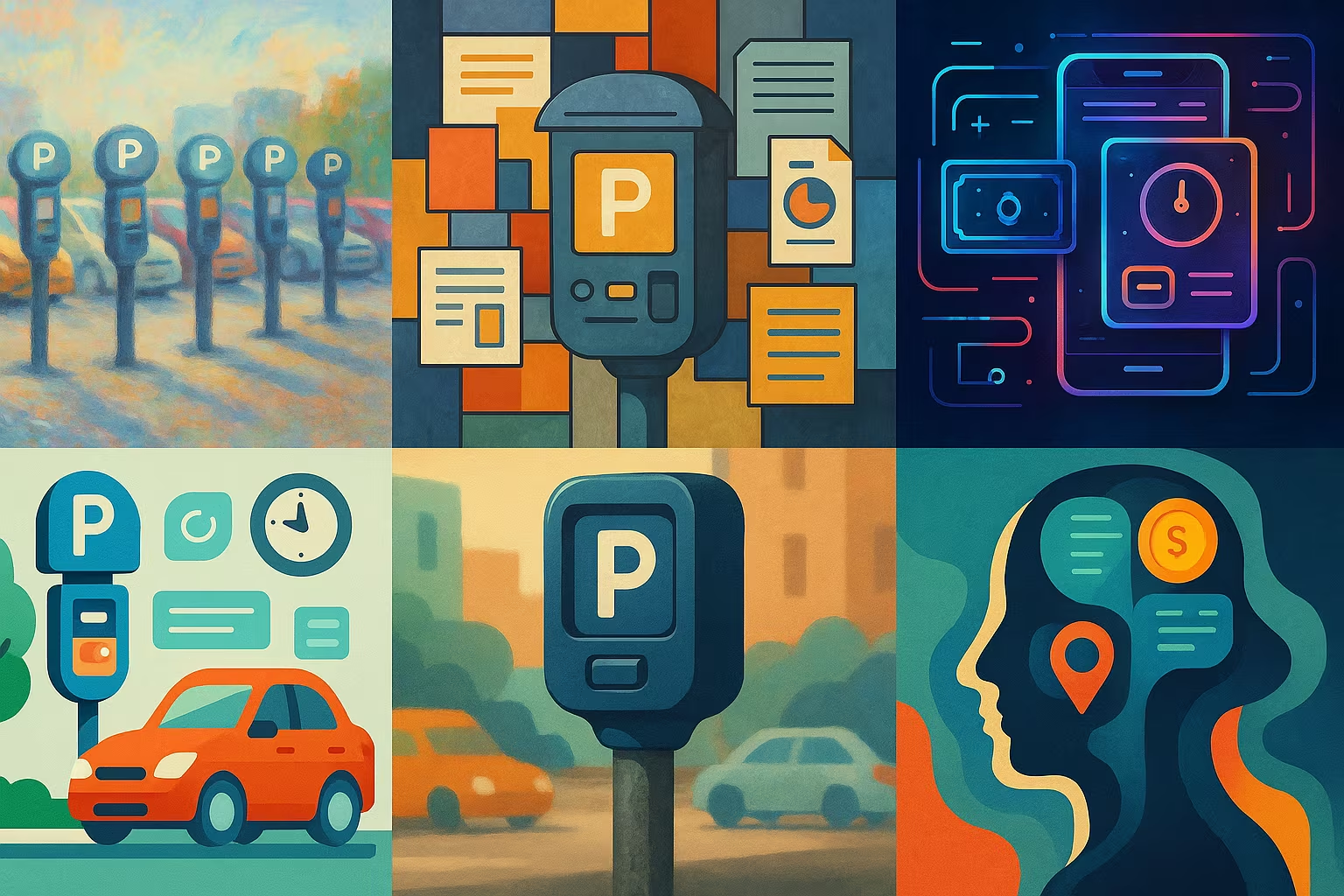
Massive set of transactional data from parking systems (terminals and mobile apps) from 2019 to 2024. Each record includes duration, amount, timestamp, payment method, and zone ID. Ideal for urban analysis, mobility policies or the study of digital payments.
~78.2 million rows (CSV), data structured in 9 columns, covering 2019 to 2024
CC0: Public Domain
Description
This structured dataset includes more than 78 million parking transactions from various sources: physical terminals, mobile applications, urban areas. Covering a period of 5 years (2019—2024), each line provides key data: transaction ID, parking time, start/end time, amount paid, kiosk or zone, and payment method used. Everything is organized in CSV format.
What is this dataset for?
- Analyze parking demand by period, zone or payment method
- Model the impact of pricing or urban regulation policies
- Studying the evolution of the adoption of digital payments in public services
- Predict attendance by zone or period using statistical or ML models
Can it be enriched or improved?
Yes, this dataset can be cross-referenced with external data (events, weather, traffic) to identify correlations. We can also enrich temporal variables (peak hours, holidays), or map kiosks and areas using geographic data sets. This makes it very flexible for urban data science work.
🔎 In summary
🧠 Recommended for
- Mobility analysts
- Urbanists
- Data scientists in smart cities
- Data engineering students
🔧 Compatible tools
- Python (pandas, seaborn, scikit-learn)
- Table
- Power BI
- Apache Spark
💡 Tip
Use derived variables (e.g., time of day, day of week, type of zone) to refine prediction or clustering models.
Frequently Asked Questions
Exactly how many rows does this dataset contain?
It contains approximately 78.2 million individual records spanning a period of 5 years, making it an excellent corpus for mass analysis.
What types of payments are represented in the data?
Transactions include payments through physical terminals as well as mobile applications, offering a complete view of user preferences.
Can this data set be used in a commercial or academic context?
Yes, thanks to its CC0 license, it can be used freely in any type of project, including commercial publications or products.